
Copper Mart
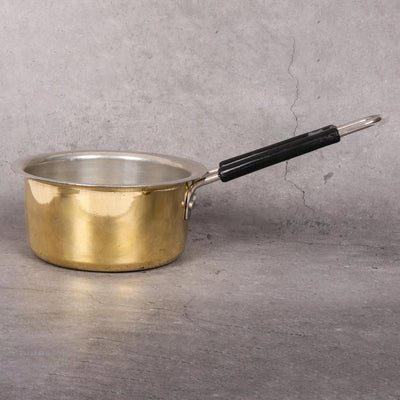
Brass Skillet – 8-inch Non-Toxic Frying Pan, Tin-Lined (Kalai), Hand-Hammered
★★★★☆ 34 reviews🔥 16 people bought this in the last 30 days
Product Details
Description
A truly non-toxic skillet — no Teflon, no PFOA, no coatings of any kind. This 8-inch brass skillet is hand-hammered from solid brass and lined with food-grade tin (kalai) — the same lining method used in professional French copper cookware for centuries. Zero synthetic chemicals. Zero non-stick coatings. Just pure metal, the way cookware was made before the chemical industry got involved.
Why This Is the Non-Toxic Skillet You've Been Looking For
Most "non-toxic" pans on the market are still coated — ceramic coatings contain binding agents, and even "PFOA-free" pans often use replacement chemicals like GenX. This brass frying pan has no coating at all. The cooking surface is pure tin — a naturally low-friction metal that's been used safely in cookware for over 500 years. When the tin wears after years of heavy use, it can be re-applied by a coppersmith. No other non-toxic skillet on the market offers that kind of longevity.
Why a Brass Frying Pan?
A brass frying pan cooks differently from any other pan in your kitchen. Brass (a copper-zinc alloy) retains heat longer than stainless steel or cast iron — once a brass frying pan is hot, it stays hot. This makes it ideal for searing meats, frying eggs, and any cooking where consistent temperature matters. The heavy-gauge construction distributes heat evenly across the entire surface — no hot spots, no cold edges. Professional Indian and Middle Eastern kitchens have cooked in brass for generations for exactly this reason. Whether you're searing a steak or cooking delicate dosas, this brass frying pan holds temperature where cheaper skillets fail.
Product Specifications
- Material: Heavy-gauge brass body, food-grade tin lining (kalai), brass handle
- Size: 8 inches (20 cm) diameter
- Construction: Hand-hammered from a single sheet — no joints, no welds
- Heat source: Gas, electric, ceramic stovetop (not induction compatible)
- Coating: None. Zero PTFE, zero PFOA, zero ceramic, zero synthetic materials
- Made in: Jodhpur, Rajasthan, India by Manish Metals (est. 1997)
- Care: Hand wash. Use wooden or silicone utensils. Polish exterior with lemon and salt.
Best For
- Anyone replacing Teflon or non-stick pans for health reasons
- Searing meats and fish — brass holds heat for a perfect crust
- Frying eggs, pancakes, dosas — even heat, naturally low-friction tin surface
- Home cooks who want a PFOA-free, PTFE-free skillet that lasts a lifetime
- Heritage kitchen enthusiasts and collectors of artisanal cookware
Non-Toxic Skillet Comparison
| Skillet Type | Toxic Coatings | Heat Retention | Lifespan | Price Range |
|---|---|---|---|---|
| Brass Skillet, Tin-Lined (this) | None — zero coatings | Excellent | Lifetime+ (re-tinnable) | $123 |
| Ceramic Coated | Binding agents, silicone | Moderate | 1-3 years | $30-100 |
| Cast Iron | None (needs seasoning) | Excellent | Lifetime | $30-100 |
| Stainless Steel | None | Poor (hot spots) | 10-20 years | $50-200 |
| PTFE Non-Stick (Teflon) | PTFE, PFOA/GenX | Poor | 2-5 years | $20-80 |
| Carbon Steel | None (needs seasoning) | Good | Lifetime | $30-70 |
Shipping & Guarantee
Free shipping to the United States. Estimated delivery: 7-10 business days. 5% off your first order — applied automatically at checkout. 7-day manufacturing defect guarantee — if your skillet arrives with any defect, we'll replace it at no cost. No return shipment required.
You May Also Like
Why a Brass Skillet? (And Why Nobody Else Makes One)
You can find copper skillets, cast iron skillets, stainless steel skillets, and ceramic-coated skillets anywhere. But a solid brass skillet? We're the only brand selling one in the United States. Here's why brass deserves a place in your kitchen:
- Heat conductivity: Brass (109 W/m·K) conducts heat 7x better than stainless steel (16 W/m·K) and 2x better than cast iron (50 W/m·K). No hot spots, no cold edges.
- Weight: Lighter than cast iron but heavy enough to sit stable on any burner. You can flip a pancake one-handed.
- Tin lining (kalai): The interior is coated with pure food-grade tin — naturally non-stick when properly heated, completely inert with acidic foods, and renewable by an artisan when it eventually wears.
- No coatings to degrade: Unlike ceramic or PTFE pans that lose their non-stick within 1-3 years, tin lining lasts years and can be re-applied. This pan is genuinely buy-it-for-life.
Brass Skillet vs Cast Iron vs Stainless Steel vs Ceramic
| Brass (This Pan) | Cast Iron | Stainless Steel | Ceramic-Coated | |
|---|---|---|---|---|
| Thermal conductivity | 109 W/m·K (excellent) | 50 W/m·K | 16 W/m·K (poor) | Varies (aluminum base) |
| Non-stick surface | Tin (natural, renewable) | Seasoning (oil-based) | None | Ceramic coating (degrades) |
| Toxic coatings | Zero | Zero | Zero | PTFE or ceramic binders |
| Reactive with acids | No (tin lining) | Yes | No | No |
| Lifespan | Generations (re-tin when worn) | Decades | Decades | 1-3 years |
| Maintenance | Hand wash, dry | Season regularly | None | Avoid metal utensils |
| Weight (8-inch) | ~2.5 lbs | ~4.5 lbs | ~2 lbs | ~1.5 lbs |
Best Uses for a Brass Skillet
This pan excels at tasks where even heat and quick response matter most: searing fish fillets, making omelets, toasting spices, pan-frying dumplings, and cooking anything with tomatoes, wine, or citrus (the tin lining won't react). It's also the traditional pan for Indian tempering (tadka) — where whole spices are bloomed in hot ghee for 10-15 seconds.
Learn more: What is Kalai (Tin-Lining)? | Why Ceramic Coatings Fail
Read our guide: Non-Toxic Cookware Guide — Safest Materials Ranked (2026)
UK buyers: Copper Pots UK — Full Guide & UK Delivery Info | Non-Toxic Cookware UK Guide
Key Features
- 100% Pure Brass, lead-free tin-lined interior, and an ergonomic stay-cool brass handle.
- Superior brass heat conductivity ensuring even cooking and precise temperature control
- Optimal depth and wide surface perfect for frying, sautéing, and versatile cooking
- Natural non stick properties when seasoned reducing oil needs while maintaining flavors
- Antimicrobial properties maintaining food safety during high heat cooking applications
- Handcrafted with traditional specifications meeting modern cooking performance standards
- Durable construction suitable for various cooking methods and regular kitchen use
Health Benefits & Usage
- Best for slow-sautéing vegetables and traditional shallow frying. Brass retains heat longer than copper, making it excellent for serving straight from stove to table.
- Daily cooking for vegetables, eggs, and protein preparation
- Professional restaurant and commercial kitchen cooking applications
- Indian and international cuisine preparation with superior heat control
- Cooking classes and culinary education demonstrations
- Traditional and modern cooking method compatibility
- Heritage cookware collections and authentic cooking tools
- Special occasion cooking and gourmet meal preparation
- Gift for cooking enthusiasts appreciating traditional craftsmanship quality